
Nova or Lepro 3300002: Recharge the Lantern or Replace Its Batteries?
Choose Original Nova if solar or micro-USB charging fits your routine and its white light suits you. Choose Lepro 3300002 if you want to replenish power with three D alkaline batteries or switch between warm and cool white. The choice concerns power and controls; neither is established here as brighter or longer-running in use.
Published by Pickoryx · Published 2026-10-06
Source checked 2026-10-06 15:04 UTC
Products compared

Product A · ASIN B0716JV1SG
LuminAID Original White Nova Solar Lantern
Last observed offer
$32.99
Per listed package.
Offer eligibility must be confirmed on Amazon.
Checked 2026-10-19 07:19 UTC. Price and availability may change.
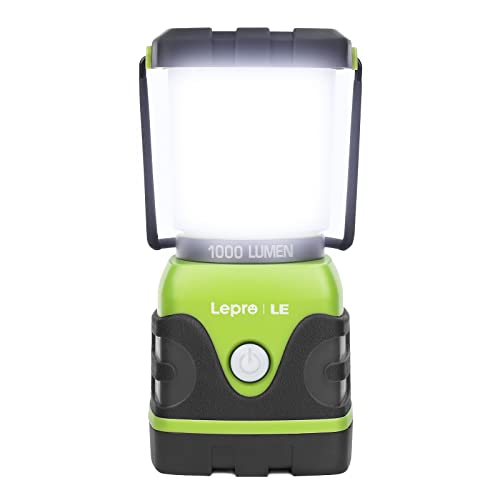
Product B · ASIN B0078ZTWP4
Lepro 3300002 Battery-Powered Camping Lantern, Green
Last observed offer
$22.94 List Price: $26.99
Per listed package.
Offer eligibility must be confirmed on Amazon.
Checked 2026-10-19 07:11 UTC. Price and availability may change.
Pickoryx may earn a commission from qualifying purchases through the paid Amazon links on this page, at no added cost to you.
The buying question
Would solar or USB recharging fit your plan, or would you rather replace D cells, and do you want selectable warm and cool white light?
Original Nova recharges its internal battery and provides white-light settings. Lepro uses three D alkaline cells and adds selection between warm white, daylight white and their combined mode.
Quick verdict
Choose LuminAID Original White Nova Solar Lantern if
- You prefer recharging an internal battery and can plan for charging access.
- The Original Nova’s white-light settings meet your needs.
Choose Lepro 3300002 Battery-Powered Camping Lantern, Green if
- You want replaceable D alkaline cells and can keep suitable spares.
- You want to select warm white as well as daylight white.
When the recommendation changes
- Charging access or suitable outdoor sunlight is unavailable.
- Carrying replacement D cells is inconvenient for your trip.
- A warm-white option becomes a firm requirement.
The differences that matter
Replenishing The Power Supply
What this changes: Choose Nova when replenishing its battery fits your charging plan. Choose Lepro when replacing standard cells fits your supply plan. Neither method guarantees a particular number of nights, solar turnaround time or lower operating cost.[1, 3, 4, 5]
White Light Color And Brightness Controls
What this changes: Lepro fits a preference for switching between warm and cool white. Nova fits a preference for its listed white-light settings. Color choice is independent of the battery plan and does not establish a comfort, glare, sleep or illumination-quality advantage.[2, 3, 4, 5]
Best for your routine
Recharging is part of your trip or household routine
Best fit: LuminAID Original White Nova Solar Lantern
Based on listed features, not comparative testing.
Nova offers solar and micro-USB input without relying on replacement D cells. Allow for actual sunlight and charging conditions rather than assuming a fixed charging time.
You want replacement alkaline cells and selectable warm white
Best fit: Lepro 3300002 Battery-Powered Camping Lantern, Green
Based on listed features, not comparative testing.
Lepro combines those documented features. Buy the required cells separately and follow the prohibition on rechargeable D batteries.
Value and trade-offs
One or both observed offers have eligibility conditions, so no unrestricted price difference is shown.
Compare the power routine and lighting controls you will use, including Lepro’s separately purchased cells. The initial lantern price does not establish lifetime cost or a payback period for solar charging.
There is not enough price history here to recommend buying now or waiting.
Limitations
- No hands-on brightness, runtime, charge-time, reliability or weather-exposure comparison was performed. Published lumen and endurance figures are not used to declare a winner.
- LuminAID’s product and support material gives different solar charging estimates. Charging methods agree, but a dependable charging duration is not established here.
- The comparison covers Original White Nova and the green single-pack Lepro 3300002. It does not transfer Nova Colors, Firefly, phone-charging Power Lantern or Lepro multi-pack features.
- LuminAID’s comparison page is dated July 31, 2020 and remains linked from the current product page. The currently linked Nova manual clarifies that its five listed modes include flashing. The Lepro guide used here is a manufacturer-authored document hosted by Amazon and explicitly names 3300002; its revision date is not stated.
Questions shoppers ask
Does Nova have five steady brightness settings?
No. Its manual lists four steady settings, Turbo, High, Medium and Low, followed by Flashing. The product page’s “five levels” should not be read as five steady brightness choices.
Can I use rechargeable D batteries in this Lepro?
No. The applicable guide explicitly says not to use rechargeable D cells. The current product page specifies three D alkaline batteries, which are not included.
Does Nova’s USB connection charge a phone?
No. LuminAID identifies Nova’s USB connection as charging input and expressly distinguishes Nova from its phone-charging Power Lantern models.
Can I depend on a fixed solar recharge time?
No fixed turnaround is established here. LuminAID says sunlight, location and time of year affect charging, and windows reduce solar charging effectiveness. Plan around the conditions where you will use it.
Methodology and sources
Compared replenishing power separately from white-light color and brightness controls, retaining the applicable battery and charging precautions.
AI helped organize the manufacturer material and draft this comparison. No hands-on testing was performed.
View 5 sources
- 1.LuminAID PackLite Nova Solar LanternLuminAID · Official specifications · Source checked 2026-10-06 14:58 UTC
Evidence used on this page
- Original White option, How It Works, FAQ and precautions: Identifies Original White, internal battery, solar and micro-USB input, included cable and phone-charging exclusion. Precautions include heat and hot-vehicle restrictions.
- 2.LuminAID Product Comparison: PackLite Nova USBLuminAID · Official specifications · Source checked 2026-10-06 14:58 UTC
Evidence used on this page
- PackLite Nova USB row: The page dated July 31, 2020 lists Nova’s white-light range at 5900–6500K and both charging methods. It remains linked from the current product page.
- 3.LuminAID PackLite Nova USB InstructionsLuminAID · Official specifications · Source checked 2026-10-06 15:01 UTC
Evidence used on this page
- English instructions and settings, PDF pages 1–2: Identifies the five modes, including flashing, charging and storage precautions, and the USB-port cap requirement. Charging estimates are not treated as a guaranteed duration.
- 4.Lepro 3300002 Camping Lantern, Green Single PackLepro US · Official specifications · Source checked 2026-10-06 15:00 UTC
Evidence used on this page
- Key Features, battery specifications and color/brightness FAQ: Specifies three D alkaline cells, not included, and no built-in recharging. Describes daylight, warm, combined and flashing modes plus brightness control.
- 5.Lepro 3300002 LED Camping Lantern User GuideLepro / LE · Official specifications · Source checked 2026-10-06 15:01 UTC
Evidence used on this page
- Model identification, English precautions, battery diagram and controls: Manufacturer-authored guide hosted by Amazon; explicitly names 3300002. Requires three 1.5V D cells, prohibits rechargeable D cells, and states storage and non-submersion precautions.